


Furnishing your first home feels exciting but it’s also where many people make expensive, irreversible mistakes.
From buying oversized furniture to misunderstanding material quality, first-time buyers often realize too late that furniture decisions aren’t just about looks, they’re about function, fit, and long-term value.
If you're setting up your home for the first time, this guide will help you avoid the most common mistakes, and make smarter decisions from the start.
Why Furniture Buying Is More Complicated Than It Looks
At first glance, furniture shopping seems simple:
👉 Pick something that looks good → Buy → Done
But in reality, key factors affect your decision:
- Material quality (solid wood vs engineered wood)
- Space planning and measurements
- Durability over time
- Lifestyle compatibility
👉 This is why many first-time buyers experience buyer’s regret early on.
1. Buying Everything at Once

The Mistake:
Trying to fully furnish your home immediately.
Why It’s a Problem:
- You don’t yet understand how you’ll use your space
- You may buy items that don’t fit your lifestyle
- Budget gets stretched unnecessarily
Better Approach:
👉 Start with essentials:
- Sofa
- Bed
- Dining setup
Then gradually upgrade as you live in the space.
2. Not Measuring Your Space Properly
One of the most common (and costly) mistakes.
Real Scenario:
Buying a large couch that:
- Doesn’t fit through the door
- Overwhelms the room
- Blocks movement
What to Do Instead:
- Measure your room dimensions
- Measure doorways and entry paths
- Bring a tape measure when shopping
👉 Never rely on “eyeballing.”
3. Choosing Oversized Furniture
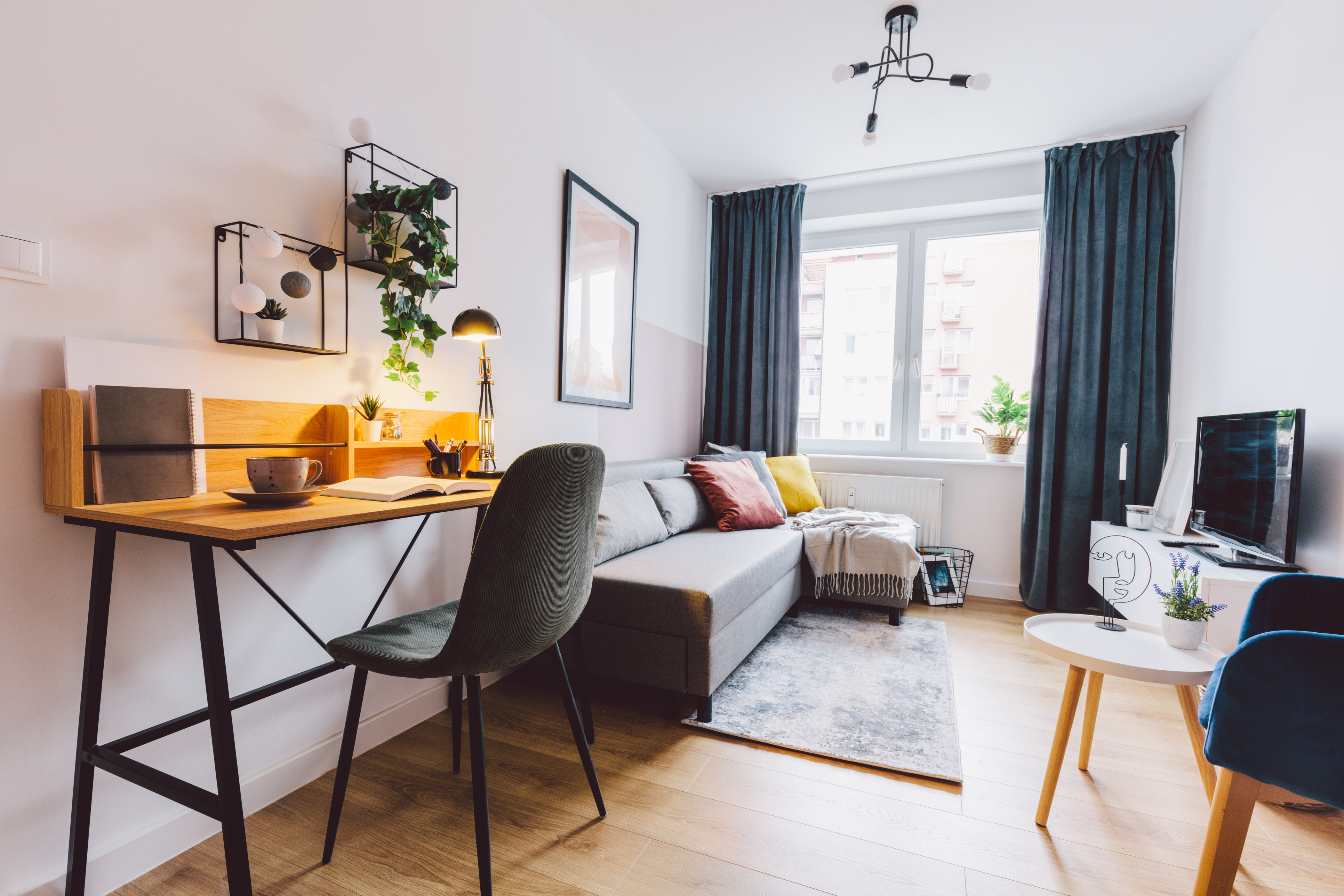
Modern furniture trends often favor larger, deeper sofas, but they don’t suit every home.
Problems with oversized furniture:
- Makes rooms feel cramped
- Reduces functionality
- Limits layout flexibility
👉 Always match furniture scale to your space—not trends.
4. Misunderstanding “Solid Wood” and Materials
Common Misconception:
“Solid wood” = premium quality
Reality:
- Some furniture uses partial solid wood + fillers
- Poor drying/seasoning can cause:
- Warping
- Cracking
- Reduced lifespan
What to Check:
- Wood type
- Construction method
- Joinery quality
👉 Materials directly affect durability.
5. Ignoring How Finishing Can Hide Defects
Furniture finishes can make items look better than they are.
Hidden issues:
- Uneven surfaces
- Low-quality wood underneath
- Structural weaknesses
👉 Always inspect beyond the surface.
6. Prioritizing Looks Over Function

A beautiful piece isn’t always practical.
- Is it comfortable for daily use?
- Is it easy to maintain?
- Does it fit your routine?
👉 Furniture should support your lifestyle—not just your aesthetic.
7. Spending Too Much Too Early
Reality Check:
You don’t need premium furniture immediately.
Smart Strategy:
- Start with budget-friendly pieces
- Upgrade over time
- Replace items as your taste evolves
👉 This prevents costly regrets.
8. Not Thinking Long-Term
Many buyers focus on:
- Immediate appearance
- Short-term needs
But ignore:
- Durability
- Flexibility
- Future upgrades
👉 Good furniture decisions consider how your needs will evolve.
Key Takeaways
- Don’t rush furnishing your home
- Always measure before buying
- Match furniture size to your space
- Understand materials and construction
- Balance aesthetics with functionality
Furnishing your first home is not about perfection, it’s about progress and smart decisions.
Avoiding these common mistakes will help you:
- Save money
- Reduce stress
- Create a space that actually works for you
If you’re building your home setup, focus on practical, well-sized, and versatile furniture, pieces that not only look good but also adapt to your space and lifestyle over time.