


You carefully picked a flooring sample. It looked perfect in-store.
But after installation…
👉 The color looks completely different.
If your vinyl flooring appears more multi-colored, inconsistent, or mismatched than expected, you’re not alone. This is a common issue especially with wood-look vinyl planks.
The good news is:
👉 There’s a reason this happens and there are ways to fix or manage it.
Why Vinyl Flooring Looks Different After Installation
1. Natural Color Variation Is Built Into the Design
Most vinyl flooring is designed to mimic real wood.
That means:
- Multiple plank patterns
- Different shades per piece
- Intentional variation
👉 This creates a “natural look”, but can surprise buyers.
2. Small Samples Don’t Show the Full Range
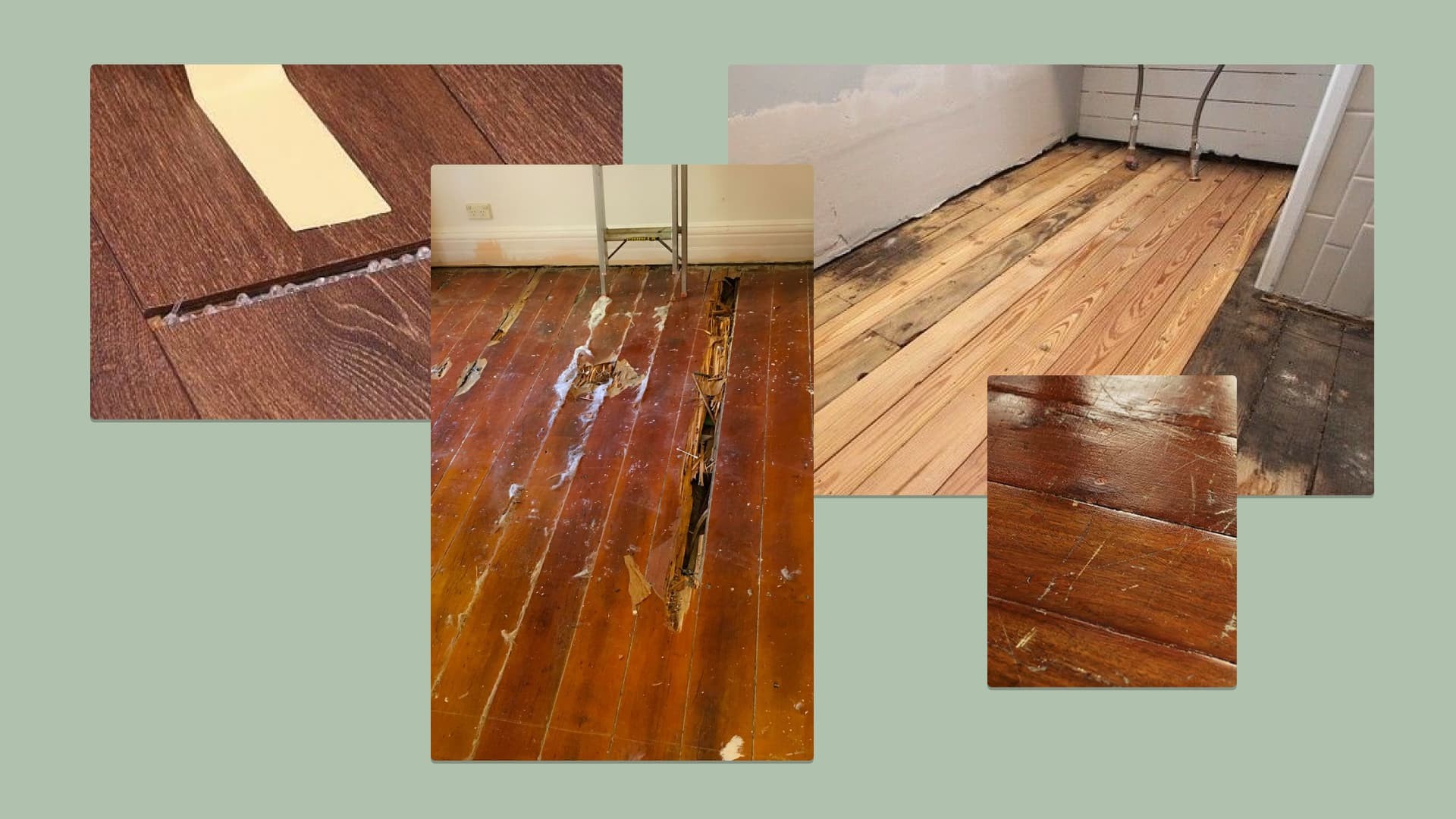
When you choose flooring:
- You only see 1–2 sample pieces
But in reality:
- A full box contains many variations
👉 This is the #1 reason for mismatch expectations.
3. Lighting Changes Everything
Flooring appearance depends heavily on:
- Natural light
- Room lighting
- Surrounding colors
👉 A floor that looks warm in-store may look:
- Cooler
- Darker
- More contrasted
in your home.
4. Installation Pattern Matters
Installers may:
- Place planks randomly
- Not balance color distribution
👉 This can result in:
- Clusters of dark/light tones
- Uneven visual appearance
Is This a Product Issue or Normal?
Usually Normal If:
- Product description mentions “variation”
- It’s a wood-look vinyl
- No defect in material
Possible Issue If:
- Sample shown was misleading
- Variation is extreme/unexpected
- No disclosure was made
👉 In these cases, you may have grounds to complain.
What You Can Do Now
1. Check Product Specifications
Look for:
- “High variation”
- “Multi-tone”
- “Natural variation”
👉 This determines if the result is expected.
2. Talk to the Store or Supplier

Ask:
- Was variation disclosed?
- Was the correct sample shown?
👉 You may request:
- Partial refund
- Store credit
- Compensation
3. Evaluate Installation Quality
Sometimes the issue isn’t the product, it’s the layout.
Ask:
- Are colors evenly distributed?
- Can planks be rearranged?
👉 A better layout can improve appearance significantly.
4. Improve the Overall Look (Design Fixes)
If replacement isn’t an option:
Balance the flooring with:
- Rugs (to reduce visual variation)
- Neutral furniture
- Warm lighting
👉 This helps “blend” the tones.
5. Accept vs Replace (Decision Guide)
Accept It If:
- Variation is normal
- Cost of replacement is too high
- You can style around it
Replace It If:
- It clearly doesn’t match expectations
- It affects the whole space negatively
- You have valid complaint grounds
How to Avoid This Mistake in the Future
1. Always View Multiple Planks
Ask to see:
- Full box
- Multiple samples
2. Test at Home
Bring samples home and:
- View under real lighting
- Compare with furniture
3. Check Variation Rating
Ask directly:
👉 “Is this low, medium, or high variation?”
4. Pre-Lay Before Installation
Before installing:
- Lay out planks
- Arrange color balance
👉 This step alone prevents most issues.
Key Takeaways
- Vinyl flooring often includes intentional color variation
- Small samples can be misleading
- Lighting and layout affect final appearance
- Most issues can be reduced with better planning
What you’re seeing isn’t always a mistake, it’s often a design feature misunderstood.
But understanding:
- Variation
- Lighting
- Installation patterns
👉 helps you make better decisions and avoid costly surprises.
When designing your space, always choose materials and finishes that balance visually with your furniture and lighting, ensuring a cohesive and intentional look.