


Have you ever walked into a home and thought:
👉 “Why does this space feel off even if everything is new?”
This is a common issue in many modern apartments and newly renovated homes. Despite high budgets and new furniture, some spaces still feel cramped, impractical, or visually overwhelming.
The reason isn’t just style, it’s design fundamentals being overlooked.
What Makes a Home Feel “Badly Designed”?
Poor design isn’t always obvious at first glance. It often comes down to:
- Misuse of space
- Overcomplicated layouts
- Lack of functionality
- Ignoring how people actually live
👉 Good design is not about adding more, it’s about making everything work together.
1. Overuse of Built In Furniture

Many homes rely heavily on built in cabinetry and carpentry.
Why It Fails:
- Makes spaces feel boxy and rigid
- Limits flexibility
- Quickly looks outdated
👉 Too many built ins remove the ability to adapt your space over time.
2. Designing Without Understanding Lifestyle
A major issue is designing based on:
- Trends
- Assumptions
- Aesthetic inspiration
Instead of:
👉 Real daily habits
Example:
- Oversized storage but no functional workflow
- Beautiful kitchen but uncomfortable counter height
👉 Design should follow user behavior, not just visuals.
3. Poor Space Planning and Proportion
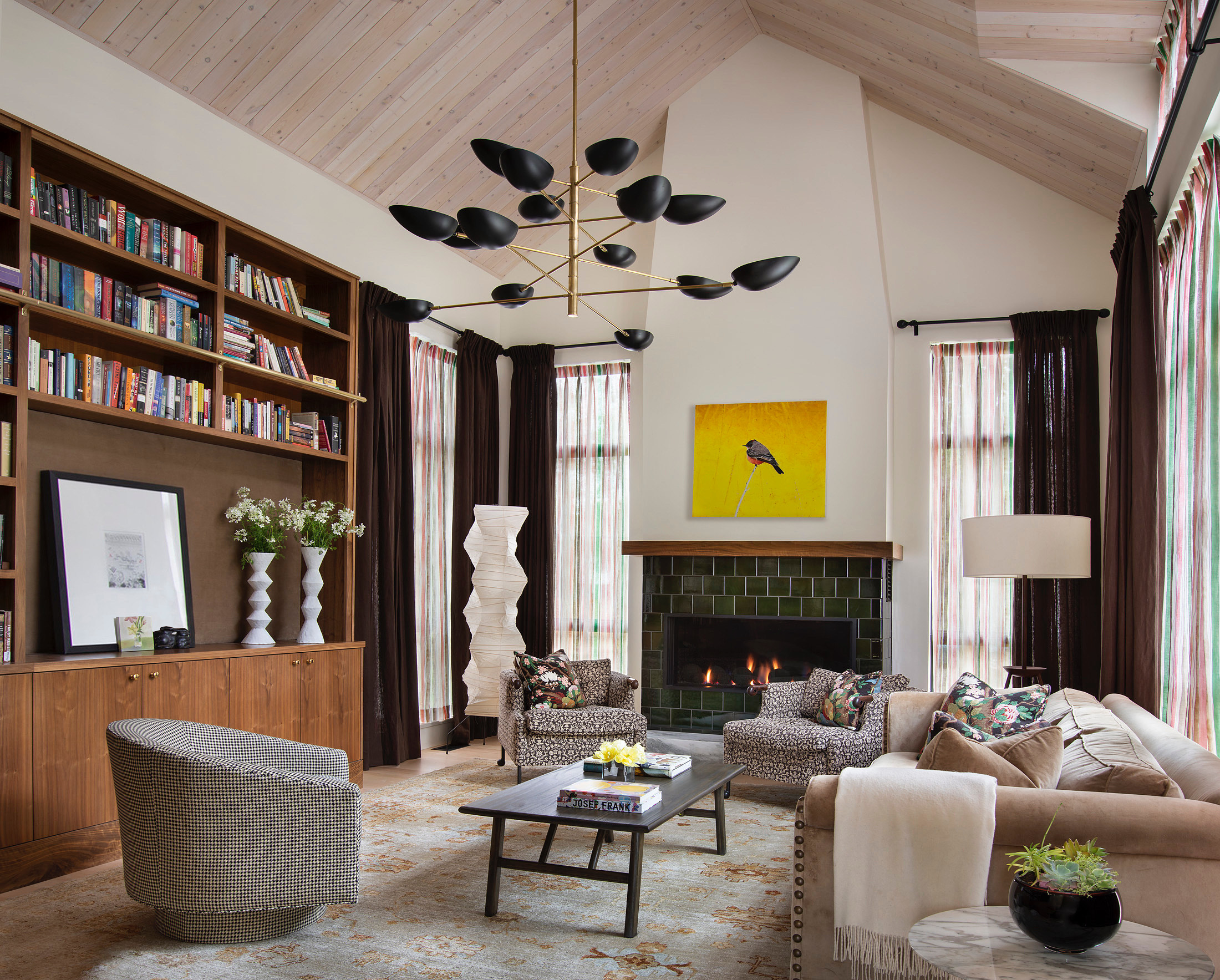
Common Mistakes:
- Furniture too large for the room
- Tight walkways
- Poor spacing between elements
👉 This leads to:
- Reduced comfort
- Visual clutter
- Limited movement
4. Lack of Natural Light Optimization
Lighting plays a huge role in how a space feels.
Issues:
- Small or blocked windows
- Heavy curtains
- Poor artificial lighting
👉 Result:
- Dark, enclosed feeling
- Less inviting space
5. Overdesigning the Space
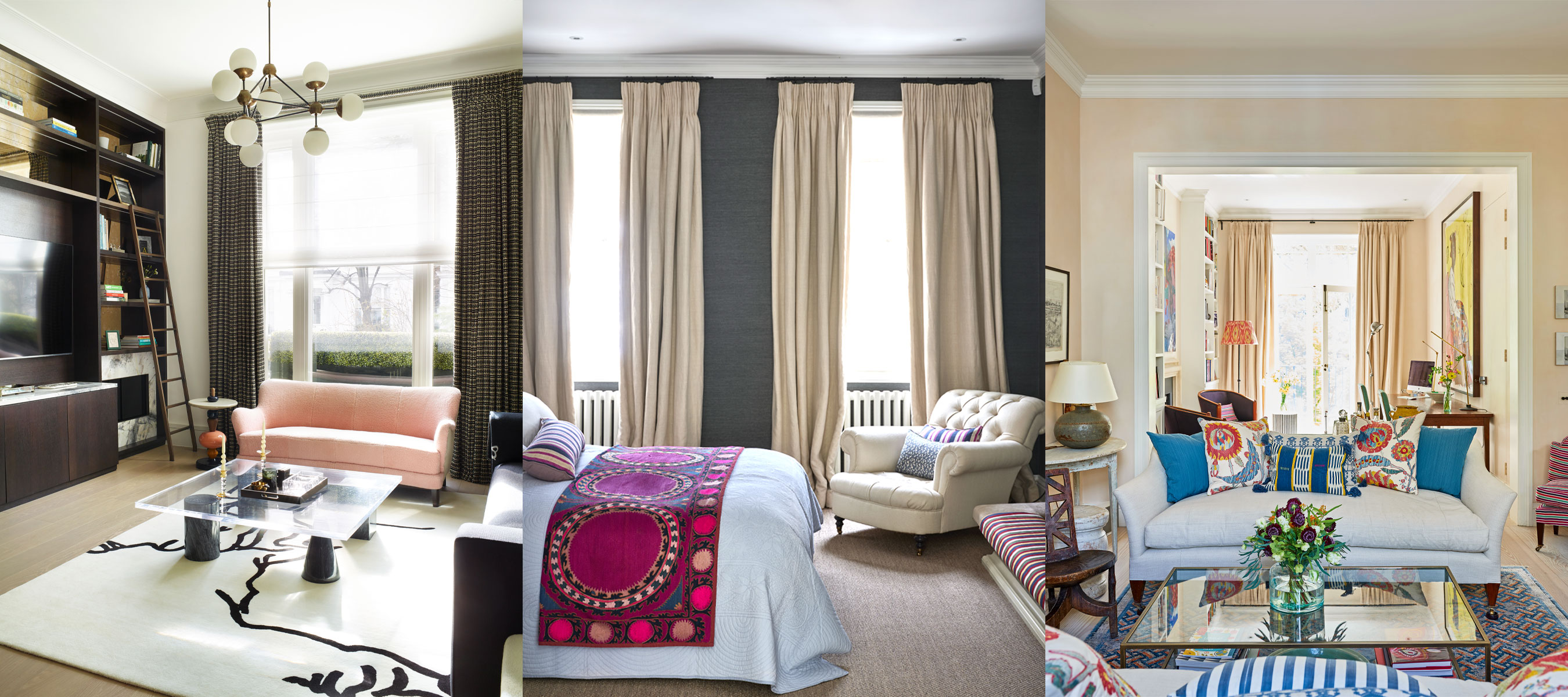
The Problem:
Trying to include everything:
- Feature walls
- Multiple textures
- Complex layouts
Result:
- Visual overload
- No clear focal point
- Lack of cohesion
👉 Simplicity often creates better design.
6. Ignoring Long Term Flexibility
Homes evolve, but some designs don’t.
Common issue:
- Fixed layouts
- Permanent built ins
- Trend based decisions
👉 Over time:
- Space becomes outdated
- Difficult to modify
7. Weak Understanding of Function vs Aesthetic

A space can look beautiful, but fail in real use.
Examples:
- Low countertops causing discomfort
- Poor storage access
- Unusable layouts
👉 Good design balances:
- Comfort
- Function
- Visual appeal
How to Avoid These Design Mistakes
1. Design Based on Your Lifestyle
Ask:
- How do I actually use this space daily?
2. Prioritize Layout Before Aesthetics
- Fix spacing
- Ensure proper flow
3. Limit Built Ins
- Keep flexibility
- Use movable furniture
4. Focus on Lighting
- Maximize natural light
- Use layered lighting
5. Keep It Simple
- Avoid overdesign
- Stick to a clear theme
Key Takeaways
- Good design is functional first, aesthetic second
- Overdesign often leads to poor usability
- Flexibility and proportion matter more than trends
- Understanding your lifestyle is the foundation of great design
A home doesn’t feel “badly designed” because of budget, it feels that way because of misaligned decisions.
When you focus on:
- Function
- Proportion
- Simplicity
- Real usage
👉 Your space naturally becomes more comfortable, practical, and visually appealing.
If you're designing your home, choose versatile, well-proportioned furniture and functional pieces that adapt to your lifestyle, not just trends.